
Orthodontic treatment has come a long way in recent years, with various tools and techniques available to help correct dental issues. One such tool is orthodontic headgear, which can help treat problems with jaw misalignment.
At the Centre for Invisible Orthodontics, Dr. Stephen Grussmark, our affordable Miami orthodontist, welcomes patients from Key Biscayne, Brickell, and Miami Beach, FL, to discover our suite of personalized orthodontic solutions. Learn more by calling (305) 441-1200.
What Is Orthodontic Headgear?
Orthodontic headgear is used to correct a range of orthodontic issues. It consists of a metal or plastic framework that fits around the patient’s head, with wires or bands attached to the patient’s teeth. The headgear is usually worn for a certain number of hours each day and gently guides the teeth and jaw into the correct position over time.
attached to the patient’s teeth. The headgear is usually worn for a certain number of hours each day and is designed to gently guide the teeth and jaw into the correct position over time.
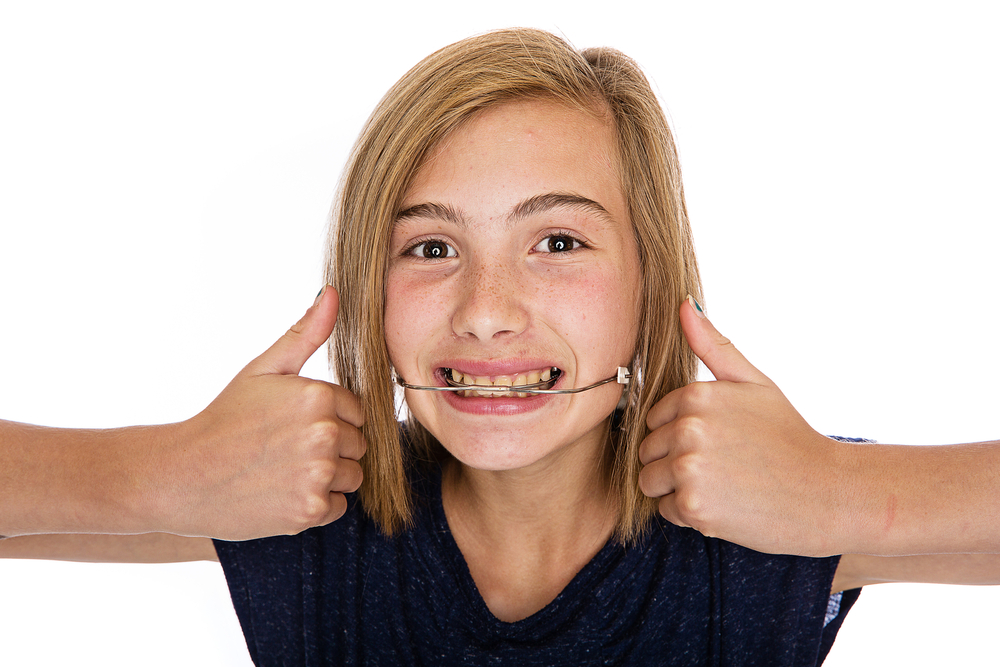
How Does Orthodontic Headgear Work?
Orthodontic headgear applies gentle pressure to the patient’s teeth and jaw. bones. Depending on the type of headgear used, this pressure may be applied in different ways. For example, some headgear uses elastics to pull the teeth and lower jaw into alignment, while others use springs or other mechanisms to create pressure.
When Is Orthodontic Headgear Used?
Orthodontic headgear can treat issues with the alignment of the teeth and jaw. Some common orthodontic conditions that may be treated with orthodontic headgear include:
Overbite: When the upper teeth extend too far over the lower teeth.
Underbite: When the lower teeth extend too far forward.
Crossbite: When the upper and lower teeth don’t meet.
Open Bite: When the front teeth don’t meet when the mouth is closed.
In addition, orthodontic headgear may also help create space in the mouth or prevent teeth from moving after straightening treatment.
Types of Orthodontic Headgear
There are several different types of orthodontic headgear, each designed to treat orthodontic issues. Some common types include:
Cervical Pull Headgear: This type of headgear attaches to the back of the patient’s head and uses a strap to pull the upper jaw into the correct position.
High-Pull Headgear: This type of headgear attaches to the back of the head and uses elastics to pull the upper jaw into alignment.
Reverse-Pull Headgear: This type of headgear attaches to the front of the patient’s face and pulls the upper jaw forward in patients with an underbite.
Combination Headgear: This type of headgear combines elements of different types of headgear to treat multiple orthodontic issues.
How Do I Clean My Orthodontic Headgear?
Cleaning your own orthodontic appliances and headgear is crucial to maintaining good oral hygiene and preventing bacteria and plaque. Here are some steps to follow to clean your orthodontic headgear:
Rinse your headgear with warm water to remove loose debris or food particles.
Brush your headgear gently using a soft-bristled toothbrush and mild soap or toothpaste.
Avoid using harsh chemicals or abrasive materials that can damage the headgear.
Rinse your headgear thoroughly with water to remove any soap or toothpaste residue.
Dry your headgear with a soft cloth or towel.
Store your headgear in a clean, dry place when you’re not wearing it.
It’s necessary to clean your headgear regularly to prevent the buildup of bacteria and plaque, which can lead to tooth decay and gum disease. If you have any questions or concerns about cleaning your headgear, consult Dr. Grussmark for guidance.
The time you need to wear orthodontic headgear depends on your treatment plan. Your orthodontist will give you specific instructions based on the severity of your condition and how well you comply with wearing the headgear. Most patients wear headgear for a few hours each day or while they sleep, for several months to a year or more.
Orthodontic headgear can be uncomfortable, but most patients get used to it within a few days or weeks. It may feel tight or put pressure on your teeth, jaw, or head, but this is normal as the headgear is working to move your teeth and jaw into the correct position. If you experience significant discomfort or pain, contact your orthodontist for guidance.
Your orthodontist will schedule regular appointments to monitor your progress and make any necessary adjustments to your treatment plan. The frequency of these appointments may vary depending on your needs, but most patients see their orthodontist every four to eight weeks while wearing headgear.
Orthodontic treatment, including the cost of orthodontic headgear, is often covered by dental insurance plans. However, the amount of coverage may vary depending on your plan and the severity of your condition. It’s best to check with your insurance provider to understand your coverage and any out-of-pocket costs you may be responsible for.
Get Fitted for Orthodontic Headgear and Correct Your Bite
If you’re considering orthodontic treatment, orthodontic headgear may be a critical part of your treatment plan. To learn more about how headgear can help you achieve a straighter, healthier smile, schedule a consultation with your orthodontist in South Florida today.
Dr. Grussmark can evaluate your needs and create a customized treatment plan that works for you. Don’t wait to start your journey to a better smile! Call our Miami, FL, office today at (305) 441-1200 or fill out our online contact form to schedule your appointment.
Orthodontic headgear offers several benefits, primarily aimed at correcting dental misalignments and improving oral health. By applying gentle pressure to the teeth and jaw, headgear can help guide the growth of the jaw and position the teeth correctly, which may lead to a more aligned bite and a healthier smile.
Additionally, headgear can prevent future dental issues by addressing problems such as overbites, underbites, and crowded teeth. For many patients, the use of headgear can reduce the need for more invasive treatments later on, making it a valuable tool in orthodontic care.
Common Misconceptions About Orthodontic Headgear
Many patients have misconceptions about orthodontic headgear, often believing it is only for children or that it is always uncomfortable. In reality, headgear can be beneficial for patients of various ages, and advancements in design have made it more comfortable and less obtrusive than in the past.
Furthermore, while some discomfort is normal as the device works to align the teeth, most patients adapt quickly and find the benefits outweigh the temporary inconveniences. Understanding these misconceptions can help patients make informed decisions about their orthodontic treatment.
Maintaining Oral Hygiene with Orthodontic Headgear
Maintaining oral hygiene is crucial for patients wearing orthodontic headgear. The device can create additional areas where food particles and plaque can accumulate, making it essential to follow a diligent oral care routine that includes brushing and flossing regularly.
Using specialized cleaning tools, such as interdental brushes or floss threaders, can help ensure that all areas around the headgear are kept clean. Regular dental check-ups are also important to monitor oral health and make adjustments to the treatment plan as needed.
Alternatives to Orthodontic Headgear
While orthodontic headgear is an effective treatment option for many, there are alternatives available depending on the specific dental issues being addressed. Options such as clear aligners, braces, or other orthodontic devices may be recommended based on the patient's unique needs and treatment goals.
It's important for patients to discuss these alternatives with their orthodontist to determine the best course of action. Each treatment has its own set of advantages and considerations, and a thorough evaluation can help guide the decision-making process.
Benefits of Orthodontic Headgear
Orthodontic headgear offers several benefits, primarily aimed at correcting dental misalignments and improving oral health. By applying gentle pressure to the teeth and jaw, headgear can help guide the growth of the jaw and position the teeth correctly, which may lead to a more aligned bite and a healthier smile.
Additionally, headgear can prevent future dental issues by addressing problems such as overbites, underbites, and crowded teeth. For many patients, the use of headgear can reduce the need for more invasive treatments later on, making it a valuable tool in orthodontic care.
Common Misconceptions About Orthodontic Headgear
Many patients have misconceptions about orthodontic headgear, often believing it is only for children or that it is always uncomfortable. In reality, headgear can be beneficial for patients of various ages, and advancements in design have made it more comfortable and less obtrusive than in the past.
Furthermore, while some discomfort is normal as the device works to align the teeth, most patients adapt quickly and find the benefits outweigh the temporary inconveniences. Understanding these misconceptions can help patients make informed decisions about their orthodontic treatment.
Maintaining Oral Hygiene with Orthodontic Headgear
Maintaining oral hygiene is crucial for patients wearing orthodontic headgear. The device can create additional areas where food particles and plaque can accumulate, making it essential to follow a diligent oral care routine that includes brushing and flossing regularly.
Using specialized cleaning tools, such as interdental brushes or floss threaders, can help ensure that all areas around the headgear are kept clean. Regular dental check-ups are also important to monitor oral health and make adjustments to the treatment plan as needed.
Alternatives to Orthodontic Headgear
While orthodontic headgear is an effective treatment option for many, there are alternatives available depending on the specific dental issues being addressed. Options such as clear aligners, braces, or other orthodontic devices may be recommended based on the patient's unique needs and treatment goals.
It's important for patients to discuss these alternatives with their orthodontist to determine the best course of action. Each treatment has its own set of advantages and considerations, and a thorough evaluation can help guide the decision-making process.