Benefits of Choosing Invisalign Over Traditional Braces
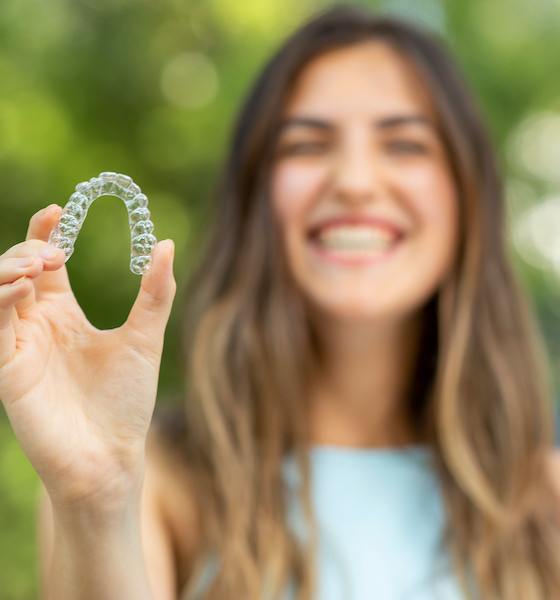
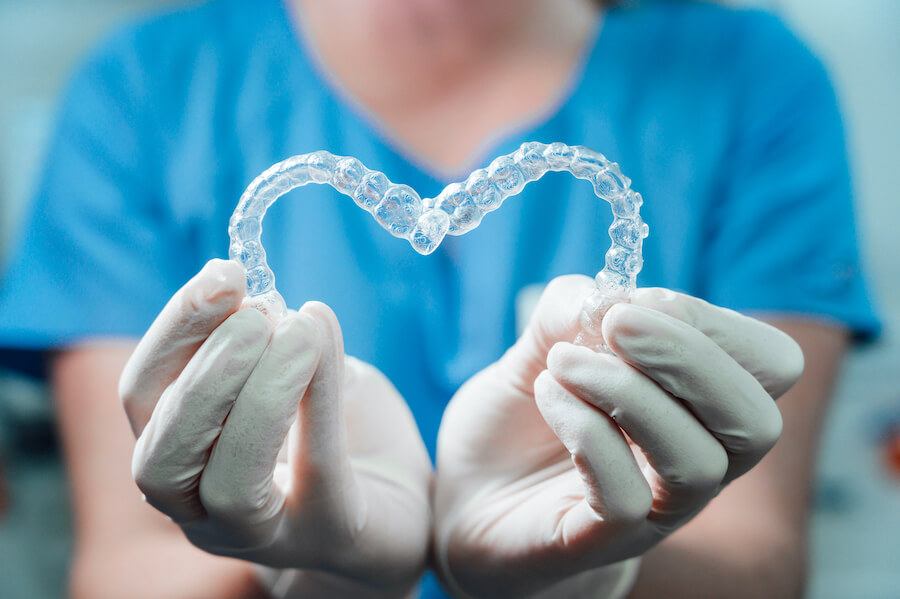
Invisalign offers numerous advantages compared to traditional braces, making it a popular choice among patients seeking orthodontic treatment. One of the primary benefits is the aesthetic appeal; Invisalign aligners are virtually invisible, allowing patients to straighten their teeth discreetly without the noticeable metal brackets and wires associated with traditional braces.
Additionally, Invisalign aligners are removable, enabling patients to maintain better oral hygiene. Unlike traditional braces, which can trap food and make brushing and flossing difficult, Invisalign allows for easy removal during meals and cleaning. This convenience, coupled with the comfort of smooth plastic aligners, makes Invisalign a preferred option for many individuals.
Understanding the Cost of Invisalign Treatment
The cost of Invisalign treatment can vary based on several factors, including the complexity of the case, the duration of treatment, and the specific orthodontic practice. On average, Invisalign treatment may range from $3,000 to $8,000, which is comparable to traditional braces. It's essential for patients to consult with their orthodontist to get a personalized estimate based on their unique needs.
Many orthodontic practices, including the Centre for Invisible Orthodontics, offer flexible payment plans and financing options to help make treatment more accessible. Additionally, some dental insurance plans may cover a portion of the treatment cost, so it's advisable for patients to check with their insurance providers to understand their benefits.
Common Myths About Invisalign Treatment
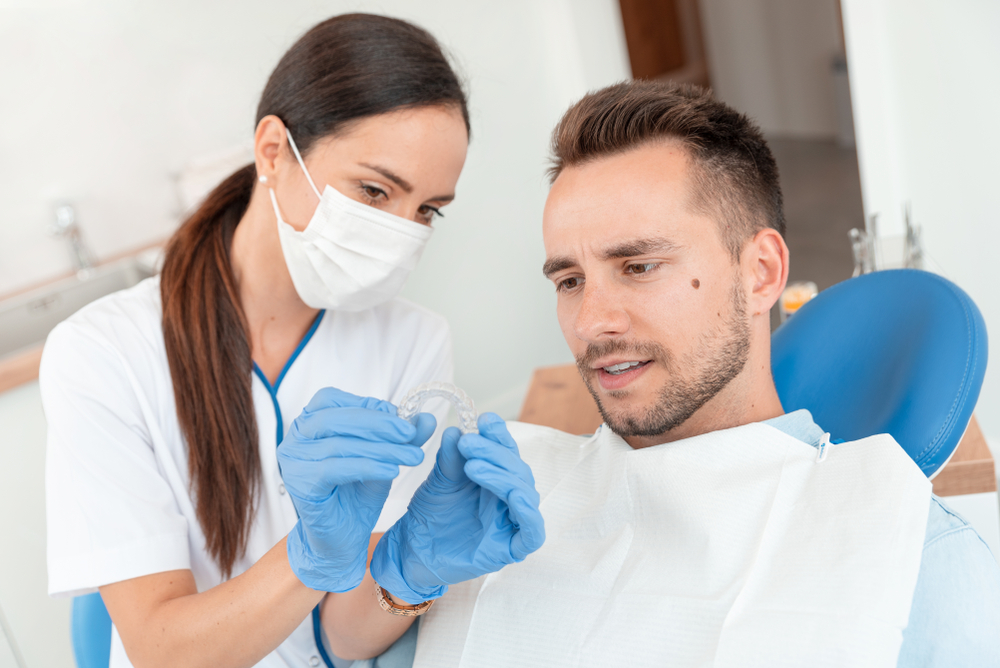
Despite its growing popularity, several myths about Invisalign persist, leading to misconceptions among potential patients. One common myth is that Invisalign is only suitable for minor orthodontic issues. In reality, Invisalign can effectively treat a wide range of dental problems, including overcrowded teeth, gaps, and even more complex cases when supervised by an experienced orthodontist.
Another misconception is that Invisalign treatment takes longer than traditional braces. While treatment times can vary depending on individual circumstances, many patients find that Invisalign can achieve their desired results in a comparable timeframe, often with fewer office visits required for adjustments.
Tips for Maintaining Your Invisalign Aligners
Proper care and maintenance of your Invisalign aligners are crucial for effective treatment. To ensure optimal results, it’s important to clean your aligners regularly using a soft toothbrush and mild soap or a specialized cleaning solution. This practice helps prevent discoloration and buildup of bacteria, ensuring that your aligners remain clear and hygienic.
Additionally, it’s essential to wear your aligners for the recommended 20 to 22 hours per day and to switch to the next set of aligners as directed by your orthodontist. Staying committed to your treatment plan will not only speed up the process but also lead to a more successful outcome.